Why Bible Journaling Feels So Hard for So Many Christians (And Why It’s Not Your Fault)
Based on insights from Christian educators, Bible study leaders, and thousands of journaling believers.



Why Bible Journaling Feels So Hard for So Many Christians (And Why It’s Not Your Fault)
Based on insights from Christian educators, Bible study leaders, and thousands of journaling believers.
If you’ve ever opened your Bible with good intentions…
only to close it again feeling overwhelmed, discouraged, or unsure where to begin —
You’re not alone.
In fact, many Christians quietly struggle with the same thing:
They want to spend time with God.
They want to reflect on Scripture.
They want to journal and grow spiritually.
But somehow, it always feels harder than it should.
Maybe you’ve tried Bible journaling before.
You bought a beautiful journal.
You set aside time.
You told yourself, “This time will be different.”
And then you sat there… staring at a blank page… unsure what to write.
So you wrote a few lines.
Or maybe nothing at all.
And eventually, the journal ended up on a shelf — unfinished — quietly reminding you of something you meant to do, but couldn’t keep up with.
If that sounds familiar, here’s something important you need to hear:
The problem isn’t your faith.
And it’s not a lack of discipline either.
Most Christians don’t stop journaling because they don’t care.
They stop because journaling often comes with pressure.
Pressure to:
That pressure turns something meant to be peaceful into something that feels heavy.
And once journaling starts to feel heavy, the guilt creeps in.
You miss a day.
Then another.
Then suddenly, opening your Bible feels uncomfortable — not because of God, but because of the feeling of failure attached to it.
So you avoid it.
Not because you don’t want God… but because you don’t want to feel discouraged again.


While most Bible journaling advice focuses on discipline, consistency, and “doing it right,”
this approach often creates pressure — not peace.
A gentler, guided framework removes performance and replaces it with clarity, freedom, and grace.


This guide was created after noticing a quiet pattern among Christians who genuinely love God — but feel discouraged every time they try to journal.
Not because they don’t care.
But because Bible journaling was taught in a way that added pressure instead of peace.
Instead of asking how to make people more disciplined or consistent, a different question was asked:
What if Bible journaling felt supportive instead of demanding?
What if opening your Bible didn’t come with guilt, fear of “doing it wrong,” or pressure to perform — but simply helped you reflect honestly and gently?
That question became the foundation for this pressure-free journaling approach.
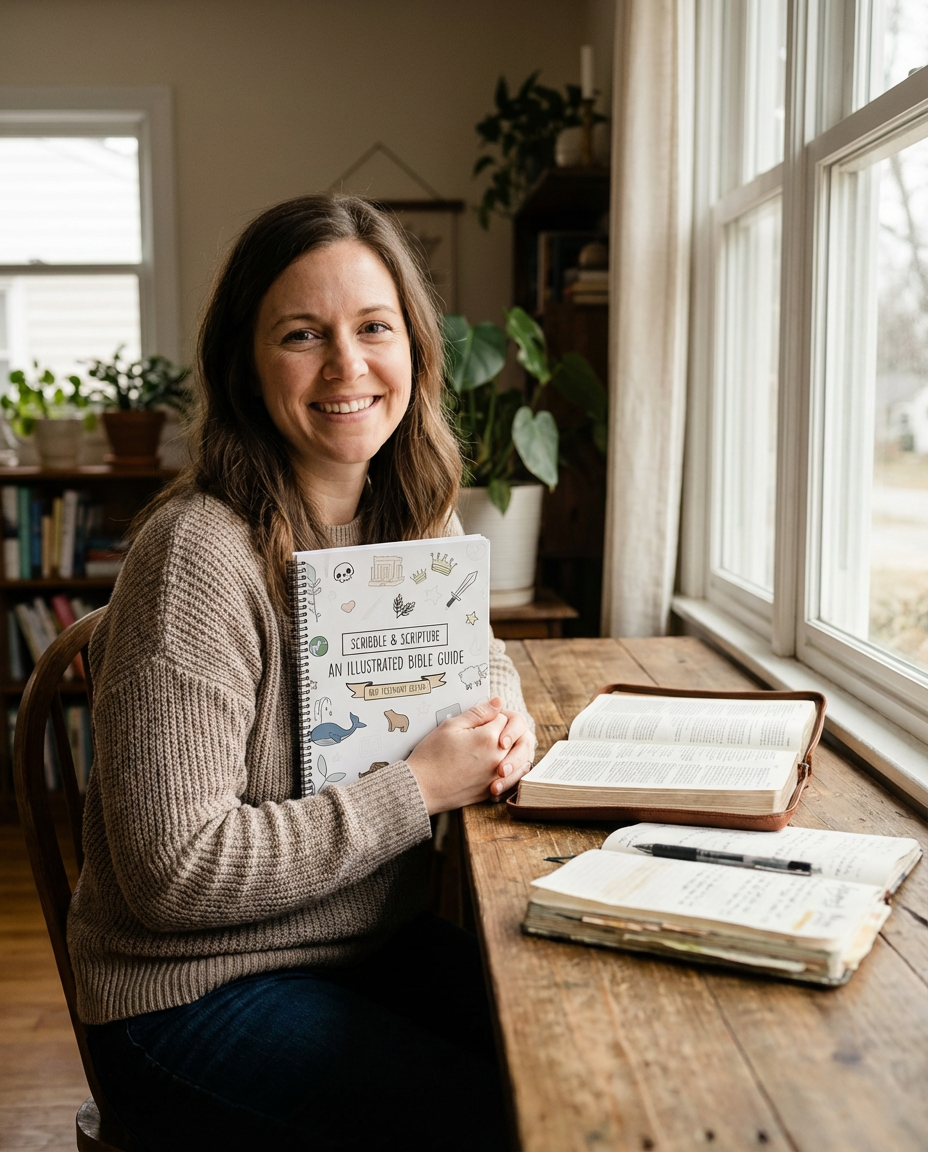
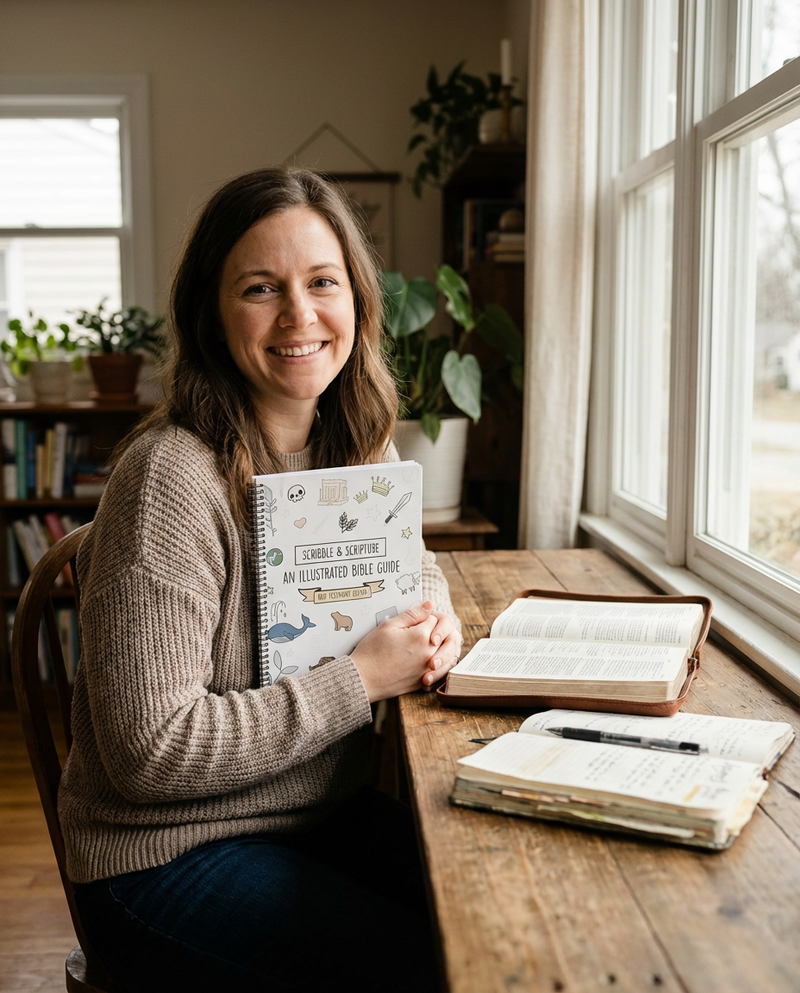
Removes the Pressure to Perform
You’re never asked to write the “right” thing or reach a spiritual conclusion.
There’s no expectation to sound deep or insightful.
You’re simply invited to respond honestly, in your own words.
You’re Never Stuck on a Blank Page
Each entry begins with gentle, guided prompts.
You always know where to start — even on days when your mind feels quiet or distracted.
No more staring at a blank page, unsure what to write.
Missed Days Don’t Break Anything
Life happens. Days get missed.
This approach doesn’t punish you for that.
There’s no falling behind — only a calm, guilt-free invitation to return whenever you’re ready.
Built for Real Life, Not Perfect Routines
This wasn’t designed for ideal mornings or perfectly consistent schedules.
It’s built for busy, tired, imperfect humans with real lives.
You meet it where you are — not where you think you should be.
Consistency Grows Naturally
Over time, journaling stops feeling like a task.
It becomes something you want to return to — not something you avoid.
Not because you forced it, but because the pressure is finally gone.

